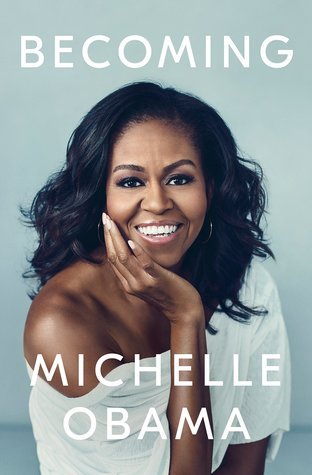
Michelle Obama’s memoir Becoming traces her life from a tight-knit working-class neighborhood on Chicago’s South Side to the White House and beyond. Written in a warm, candid, and deeply personal voice, the book is structured in three parts—”Becoming Me,” “Becoming Us,” and “Becoming More”—each marking a distinct phase of her identity and growth. Obama writes with striking honesty about the forces that shaped her: a loving father battling multiple sclerosis, a mother of quiet strength, a brother who became her closest childhood companion, and a neighborhood that was simultaneously nurturing and slowly being hollowed out by poverty and disinvestment.
The memoir is as much about the interior work of self-definition as it is about the extraordinary external circumstances of her life. Obama reflects on the ambition that drove her to Princeton and Harvard Law School despite guidance counselors who told her not to aim so high, on the tension between her own career and the demands placed on her as a political spouse, and on the profound disorientation of moving into the most scrutinized home in America. Her portrait of Barack Obama is affectionate but unsentimental—she is frank about the strains his political career placed on their marriage and the couples counseling that helped them navigate those years. The White House chapters are vivid and grounded, focused less on policy and power than on raising two daughters with some semblance of normalcy, building a vegetable garden, and using the platform of First Lady to champion causes she genuinely believed in, particularly around childhood nutrition, military families, and girls’ education worldwide.
Key takeaways
-
Identity is a continuous, active process. Obama frames “becoming” not as a destination but as ongoing work—she resists the idea that any title, achievement, or role fully defines a person, and encourages readers to keep asking who they are and who they want to be.
-
Class and race shaped every door she had to push open. Growing up Black and working-class on the South Side, Obama experienced firsthand how systemic barriers—underfunded schools, neighborhood disinvestment, low expectations from institutions—required extra effort and self-advocacy to overcome, and she is unsparingly clear about the role privilege played for those who didn’t face them.
-
Marriage requires deliberate, sustained investment. Obama is unusually candid about the rough patches in her marriage to Barack, describing feelings of resentment and loneliness during his early political years and crediting therapy with helping them articulate their needs and reconnect. She presents their relationship not as a fairy tale but as a partnership built through hard, conscious work.
-
The First Lady role is both powerful and constraining. Obama found the position came with enormous influence but also intense public scrutiny and unspoken rules. Every choice—her clothes, her words, her causes—was magnified and politicized in ways that required constant navigation between authenticity and institutional expectation.
-
Fear of failure and imposter syndrome are nearly universal. Even after Princeton, Harvard Law, and a successful legal career, Obama describes persistent self-doubt and the lingering echo of that guidance counselor’s dismissal. She frames acknowledging these feelings—rather than suppressing them—as a form of strength.
-
Small, local roots matter. Throughout the book, Obama returns to the specific geography of Euclid Avenue and the South Side as a moral and emotional anchor. Her parents’ example of showing up fully in an ordinary life is presented as a more lasting influence than any of the prestige institutions she later attended.
-
Public service is personal. Her White House initiatives—the Let’s Move campaign, Reach Higher, Let Girls Learn—are described not as political projects but as extensions of her own story. She wanted to tell young people, especially girls of color, that the world they could inhabit was broader than anyone had told them.