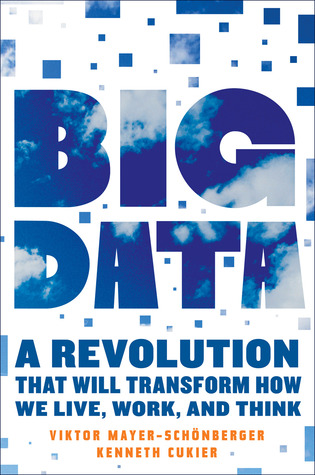
Everybody Lies: Big Data, New Data, and What the Internet Can Tell Us About Who We Really Are by Seth Stephens-Davidowitz is a book that uses data from Google searches, social media, and other digital sources to reveal uncomfortable truths about human behavior, desires, and beliefs. Stephens-Davidowitz, a former Google data scientist and economist, argues that the internet — and Google searches in particular — functions as a kind of global confessional, where people reveal their genuine thoughts and feelings precisely because they believe no one is watching. The result is a portrait of humanity that is often startling, sometimes disturbing, and frequently at odds with what we say about ourselves in polls, surveys, or polite conversation.
The central thesis is that traditional data sources — surveys, censuses, self-reported studies — are deeply compromised by social desirability bias. People lie to pollsters, to doctors, to their friends, and to themselves. But when someone types a query into a search engine at midnight, they tend to tell the truth. By mining these digital traces at scale, Stephens-Davidowitz uncovers patterns in racism, sexuality, mental health, parenting anxieties, and more. His writing is breezy and accessible, blending the curiosity of a journalist with the rigor of a social scientist, and he moves fluidly between surprising data findings and their broader social implications.
Beyond exposing hidden truths, the book also makes a methodological argument about the future of social science. Stephens-Davidowitz champions “big data” not as a cure-all but as a powerful complement to traditional research, one that can generate hypotheses, challenge assumptions, and reveal phenomena that would otherwise be invisible. He is candid about the limitations — big data can show correlation without causation, and its coverage skews toward people with internet access — but his overall tone is one of excitement about what these new tools make possible.
Key takeaways
-
Google searches as honest confessions: Because searches feel private, people reveal desires and fears they would never disclose in a survey — including racist thoughts, sexual questions, relationship anxieties, and health concerns that contradict their public personas.
-
Racism is more widespread and differently distributed than polls suggest: Data from racially charged search terms and Obama-era election analysis suggested that racial animus was a significant, measurable drag on Obama’s vote share in certain regions, and that survey-based measures had substantially underestimated its prevalence.
-
Parental gender bias in the data: Parents Google “Is my son gifted?” and “Is my daughter overweight?” far more than the reverse, revealing unconscious biases about intelligence and appearance that cut along gender lines even among presumably progressive families.
-
Sexual behavior and identity are more varied than reported: Search data suggests that gay men represent a larger share of the male population than most surveys indicate, and that many people in straight-identified relationships privately search for same-sex content — pointing to a significant gap between private reality and public identity.
-
The “areas under the curve” problem with traditional data: Small samples and social desirability bias cause conventional studies to miss or distort many real phenomena; big data’s scale allows researchers to study rare events, regional variation, and stigmatized behaviors with unprecedented granularity.
-
Causal claims still require caution: Stephens-Davidowitz is careful to note that correlations in big data can mislead, and that establishing causation still requires experimental or quasi-experimental methods — big data generates leads, not verdicts.
-
Digital data can predict and potentially improve outcomes: From predicting flu outbreaks to identifying what early childhood factors correlate with upward mobility, the book gestures toward a future in which honest data — rather than intuition or ideology — guides better decisions in public health, policy, and beyond.