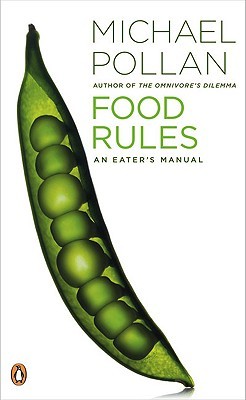
Michael Pollan’s Food Rules: An Eater’s Manual is a slim, practical companion to his larger works The Omnivore’s Dilemma and In Defense of Food, distilling his philosophy about eating into a set of clear, memorable rules. The book is organized as a collection of 64 simple guidelines — later expanded to 83 in a revised edition — each backed by a brief explanation drawing on food science, cultural tradition, and common sense. Pollan’s central argument is that modern nutritional science and the industrialized food system have made eating far more complicated than it needs to be, and that returning to straightforward, time-tested principles is both healthier and more pleasurable.
The book is structured around three core ideas that Pollan first articulated in In Defense of Food: “Eat food. Not too much. Mostly plants.” Each section expands on one of these imperatives, offering rules that range from the practical (“Avoid food products containing ingredients that no ordinary human would keep in the pantry”) to the cultural (“Eat meals”) to the almost philosophical (“Treat meat as a flavoring or special occasion food”). Pollan’s voice is conversational and gently witty, and the rules feel less like commandments than like wise advice from a well-traveled friend. The format makes the book unusually accessible — it can be read in a single sitting — while still conveying a coherent critique of industrial eating habits.
Key takeaways
- “Eat food. Not too much. Mostly plants.” This three-part mantra underpins the entire book. By “food,” Pollan means real, whole, minimally processed ingredients — not the edible food-like substances that dominate supermarket shelves.
- Avoid highly processed products. Several rules use the ingredient list as a diagnostic tool: if a product contains more than five ingredients, includes ingredients you can’t pronounce, or features a health claim on the package, it’s probably best avoided. Genuine food rarely needs to advertise its healthfulness.
- Trust cultural and traditional food wisdom over nutritional science. Any cuisine that has sustained a population for generations is a more reliable guide to healthy eating than the latest peer-reviewed study. Nutritionism — the reductive focus on isolated nutrients — has consistently led eaters astray.
- Eat at a table, with others, and without distraction. Many of Pollan’s rules address not just what to eat but how. Eating slowly, sitting down for meals, and sharing food with other people all naturally moderate consumption and restore the social dimension of eating.
- Pay more, eat less. Pollan encourages spending more on high-quality, often locally sourced food and eating smaller quantities of it. The economics of industrial food have made cheap calories abundant but shifted real costs onto health and the environment.
- Cook your own food and cultivate a garden if possible. Home cooking is one of the most powerful ways to take control of your diet. Growing even a small amount of your own food deepens your relationship with what you eat and reconnects you to natural cycles.
- Leave the table a little hungry, and don’t eat anything your great-grandmother wouldn’t recognize as food. These two rules encapsulate the book’s spirit: restraint and tradition are more reliable guides than modern abundance and novelty.